
The Unspoken Benefits of Psychotherapy in Anticipation of the Ayahuasca Experience
- Niurka Sotolongo
- Mar 31, 2025
- 4 min read
Preparing for an ayahuasca ceremony is often a deeply transformative journey. Many are drawn to this powerful plant medicine for a range of reasons, including spiritual growth and emotional healing. However, diving into this experience requires not just bravery but also mental and emotional preparation. This is where psychotherapy becomes vital. Engaging in therapy before an ayahuasca ceremony can significantly enhance the experience, making it more meaningful and manageable.
Understanding Ayahuasca: A Spiritual Journey
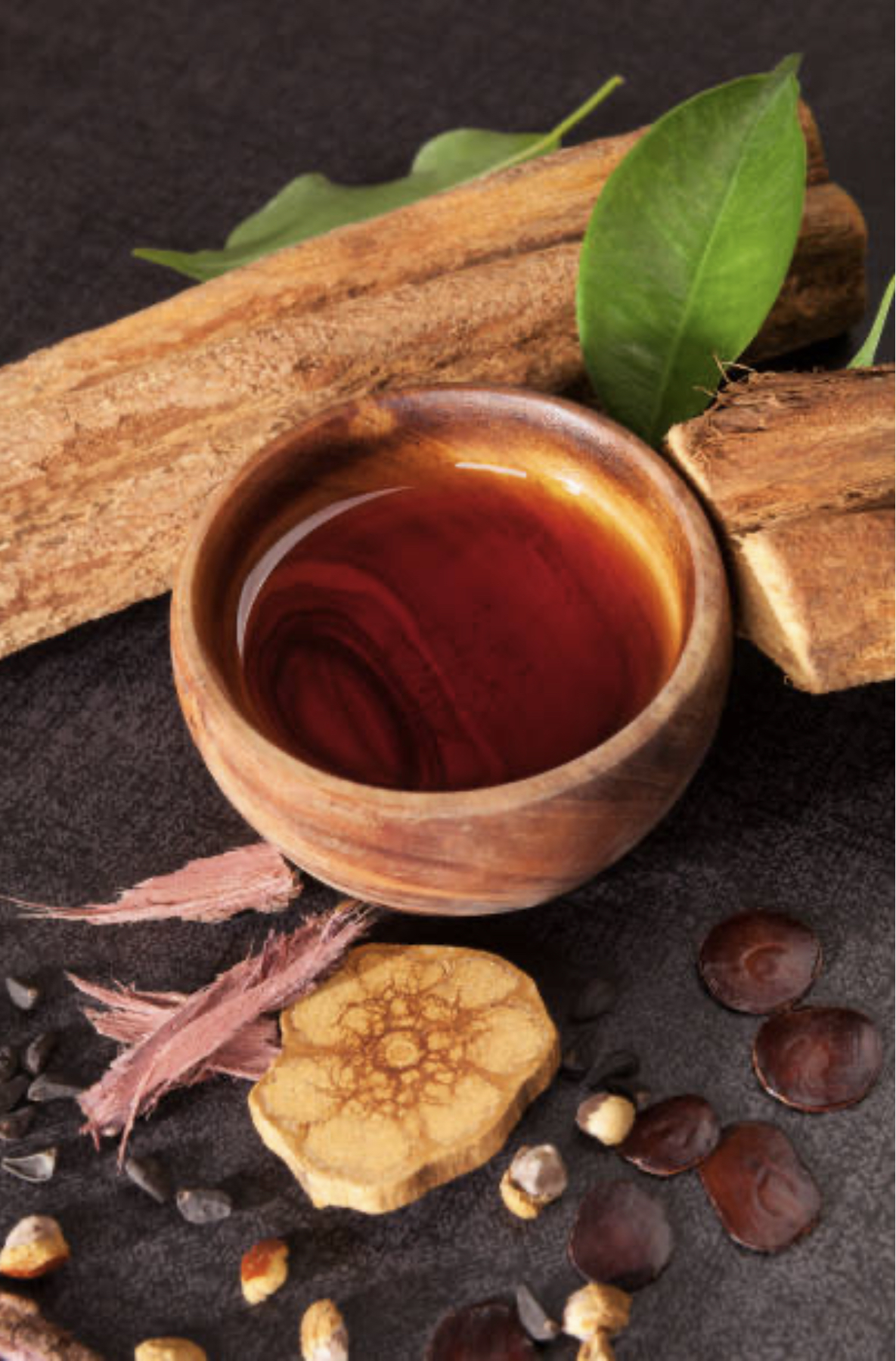
Ayahuasca is a traditional brew from South America, renowned for its psychoactive effects, largely due to its active component, DMT (dimethyltryptamine). Participants frequently report profound experiences that challenge their understanding of reality, leading to insights that can foster healing and personal growth.
While many find this journey enlightening, it can also bring unresolved traumas, fears, and emotional complexities to the surface. Statistics show that over 60% of participants report encountering hidden emotional challenges during their ceremonies. Knowing what ayahuasca is and its potential impacts is essential for anyone considering this path. This knowledge allows individuals to prepare mentally and emotionally for the journey ahead.
The Role of Psychotherapy in Preparation
Engaging with a psychotherapist offers a safe space to prepare for the emotional intensity of ayahuasca. A trained professional helps explore one’s thoughts and feelings, guiding individuals through their past experiences in a supportive manner.
Therapy can help identify emotional blocks or unresolved traumas that might arise during the ayahuasca experience. For instance, a study showed that participants who underwent therapy reported a 40% increase in self-awareness and emotional understanding compared to those who did not. This preparatory work enables individuals to approach their journeys with more courage and clarity.
Emotional Resilience
One of the key gifts of psychotherapy is building emotional resilience. Through various therapeutic techniques, individuals learn skills to manage intense emotions more effectively. For example, developing coping strategies like journaling or mindfulness can reduce anxiety.
Ayahuasca ceremonies often force participants to confront deep-seated emotions, such as grief or fear. By working with a therapist, individuals can cultivate the resilience needed to handle these challenges constructively. Being prepared for unexpected emotions is crucial, and therapy provides tools to navigate whatever feelings arise during the process.
Integration of Insights and Experiences
The insights gained during an ayahuasca ceremony can often feel overwhelming. Participants may struggle to understand the significance of their experiences long after the ceremony ends.
Here, a psychotherapist plays a vital role in the integration process. Post-ceremony integration therapy supports individuals in making sense of their experiences. Research indicates that those who engage in integration therapy have a 70% higher satisfaction rate regarding their ayahuasca experience. This support helps translate insights into practical life changes and eases any emotional strain that follows.
Framing the Experience
A therapist helps frame the ayahuasca experience within the broader context of an individual’s life. Understanding how these experiences fit into one’s personal narrative can lead to positive transformations and a renewed sense of purpose.
Navigating Potential Dangers
While most ayahuasca experiences are seen as beneficial, there are risks, especially for those with a history of mental health issues. Some participants could face heightened anxiety, panic, or even psychosis after the ceremony.
A psychotherapist can help assess whether a person is mentally prepared for the journey. They provide guidance and support before and after the ceremony, ensuring that individuals understand the risks involved. For example, therapists can help set realistic expectations and prepare coping mechanisms to deal with any fallout.
Creating a Safety Net
Working with a therapist creates a safety net. Knowing there is a trusted person to reach out to before and after the ceremony can significantly reduce anxiety about the unknown. This emotional security allows individuals to immerse themselves in their experiences fully, facilitating a more profound healing journey.
Fostering Mindfulness and Presence
Psychotherapy plays a crucial role in developing mindfulness—a key skill for any ayahuasca ceremony. Mindfulness allows participants to stay present, observe their thoughts, and remain grounded amid emotional upheaval.
Therapists often employ mindfulness exercises to teach clients this vital skill. Techniques such as deep breathing and meditation can help individuals engage in the ceremony more meaningfully.
Building a Personal Support System
Engaging with a psychotherapist aids in building a broader support network. The conversations that occur with friends and family post-ceremony are just as important as preparation beforehand.
Therapists can guide individuals on how to communicate their experiences effectively, fostering understanding among loved ones. Having a strong support network enhances the healing potential of the ayahuasca journey, ensuring that participants do not face their experiences in isolation.
Final Thoughts on Psychotherapy and Ayahuasca
Engaging with a psychotherapist in anticipation of an ayahuasca ceremony lays the groundwork for a profound experience. The benefits of therapy—including emotional resilience, mindfulness, integration of insights, and a reliable support system—create a sturdy foundation for anyone about to embark on this transformative journey.
By committing to psychotherapy, participants pave the way for a more enriching encounter with ayahuasca. With the right guidance and preparation, what may seem daunting can evolve into a powerful opportunity for healing and personal growth. As the awareness of psychedelics continues to grow, the value of therapeutic support becomes even clearer, helping individuals approach their journeys with confidence and intention.


Comments